On October 6, 2026, SPHACY Joint Stock Company (SPHACY) held a working meeting with Kobayashi to discuss technology-driven solutions for combating counterfeit and imitation goods, as well as product identification and authentication. The meeting took place shortly after the Vietnamese Government issued Decree No. 372/2026/ND-CP on product and goods identification, authentication, and traceability, highlighting the growing importance of product transparency and authentication in the Vietnamese market.
A New Regulatory Landscape Driving Demand for Product Authentication and Traceability
On September 29, 2026, the Vietnamese Government issued Decree No. 372/2026/ND-CP, which regulates product and goods identification, authentication, and traceability. The Decree is scheduled to take effect on January 1, 2027, establishing a framework for implementing these activities in the digital environment through the National Platform for Product and Goods Identification, Authentication, and Traceability.
Under the Decree, implementation requirements depend on the risk level of the relevant products and goods. For high-risk categories, identification, authentication, and traceability requirements are mandatory in accordance with the applicable lists, implementation roadmaps, and sector-specific requirements established by the competent authorities. For medium- and low-risk categories, implementation is encouraged on a voluntary basis.
These regulations underscore the growing importance of product data, reliable authentication, and transparency throughout the supply chain. They also provide a basis for businesses to proactively assess and prepare appropriate solutions in line with their manufacturing and commercial operations.
In this context, combating counterfeit and imitation goods extends beyond brand protection. It is increasingly connected to the need to verify product authenticity, improve the reliability of product information, and support effective management throughout the supply chain.
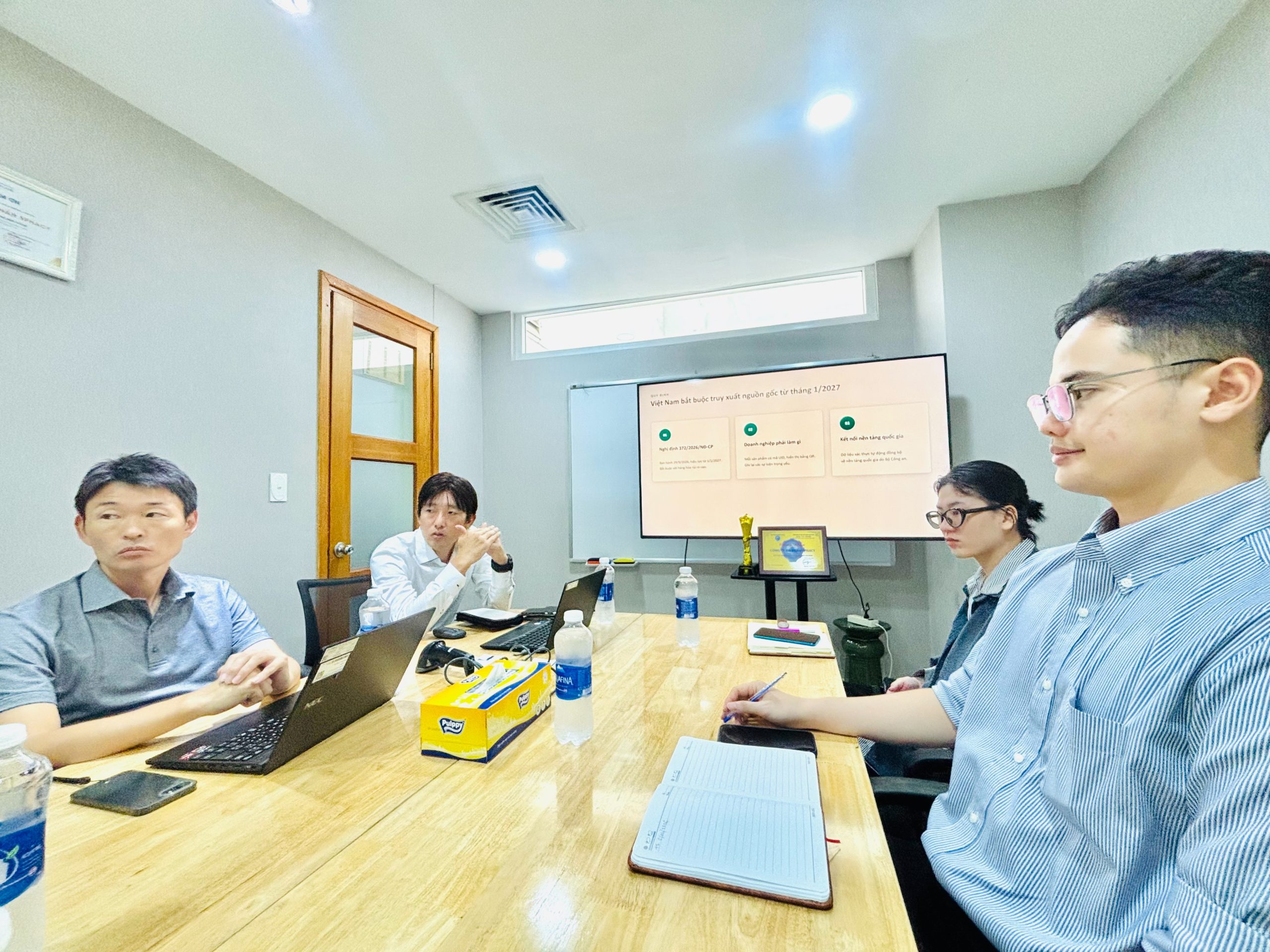
Kobayashi Shares Technology-Based Approaches to Combating Counterfeit Goods
During the meeting on October 6, Kobayashi introduced and discussed technology-based approaches to combating counterfeit and imitation goods and authenticating products with SPHACY. The discussions focused on the potential applications of these solutions in helping businesses protect their products, improve the identification of genuine goods, and strengthen consumer confidence.
Against the backdrop of Vietnam’s evolving regulatory framework, the approaches proposed by Kobayashi represent potential solutions for businesses to explore and assess in relation to their practical needs. Combining appropriate technology with effective management processes and product authentication requirements may help businesses respond more proactively to the risks associated with counterfeit goods.
As product identification, authentication, and traceability receive increasing attention, evaluating suitable approaches at an early stage can be particularly valuable for manufacturers. Any solution should be assessed based on product characteristics, management requirements, integration capabilities, and the relevant implementation roadmap.
Through this meeting, SPHACY gained further insight into Kobayashi’s technological approaches and discussed opportunities to connect these methods with the practical needs of the Vietnamese market. Detailed technical information and proprietary aspects of Kobayashi’s technology will be considered in accordance with specific application requirements.
SPHACY Seeks to Connect Innovative Solutions with Vietnamese Manufacturers
For SPHACY, the meeting reflects its proactive approach to identifying, connecting, and introducing technology solutions with potential applications in product and brand protection in Vietnam.
SPHACY recognizes that, as requirements for product identification, authentication, and traceability evolve, manufacturers need to prepare accordingly. This preparation is important not only for meeting the requirements applicable to their respective product categories but also for enhancing competitiveness, strengthening customer and partner confidence, and protecting brand value.
With this in mind, SPHACY aims to serve as a bridge between Kobayashi and Vietnamese businesses by introducing Kobayashi’s anti-counterfeiting approaches to manufacturers and other enterprises with relevant needs. Through this connection, businesses will have opportunities to learn about emerging technological approaches, evaluate their suitability, and consider implementation based on their product characteristics, operational processes, and management requirements.
SPHACY also seeks to support businesses in exploring practical solutions through a structured and needs-based approach. This will help promote the application of technology in brand protection and improve product transparency in the marketplace.
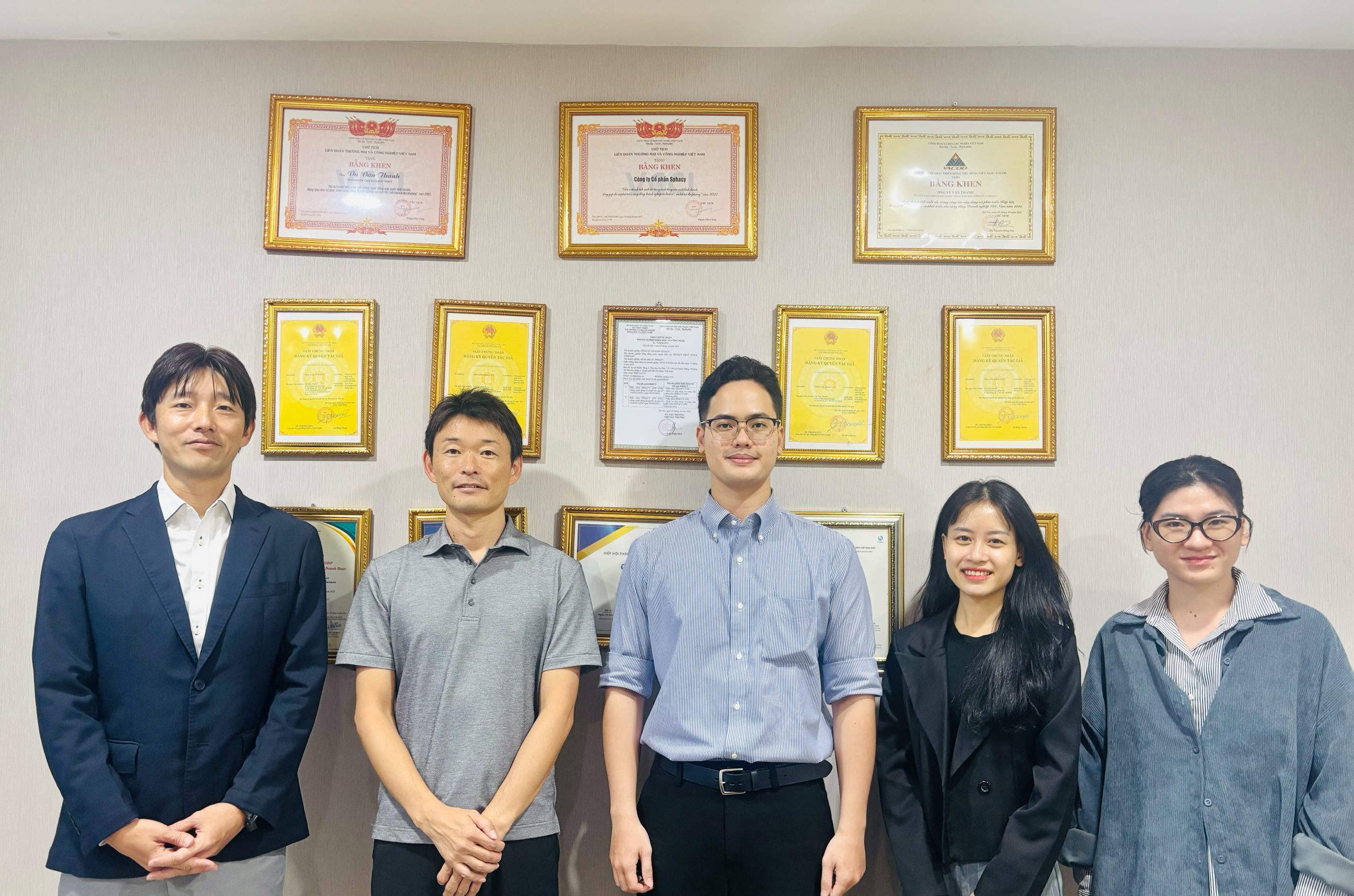
Working Toward a More Transparent and Sustainable Business Environment
The October 6, 2026 meeting between SPHACY and Kobayashi provided an opportunity for both parties to discuss the potential application of anti-counterfeiting technologies as Vietnam continues to develop its regulatory framework for product and goods identification, authentication, and traceability.
By connecting technological capabilities with practical market needs, SPHACY aims to create more opportunities for Vietnamese manufacturers to explore suitable approaches, strengthen product protection, and respond more effectively to emerging market challenges.
Moving forward, SPHACY will continue to explore and connect potential solutions, with the aim of supporting businesses in protecting their brands, enhancing product value, and contributing to a more transparent and trustworthy business environment.
SPHACY believes that the combination of appropriate technology, a clear regulatory framework, and proactive business engagement will play an important role in strengthening efforts to combat counterfeit and imitation goods in Vietnam.


 En
En
 Vi
Vi